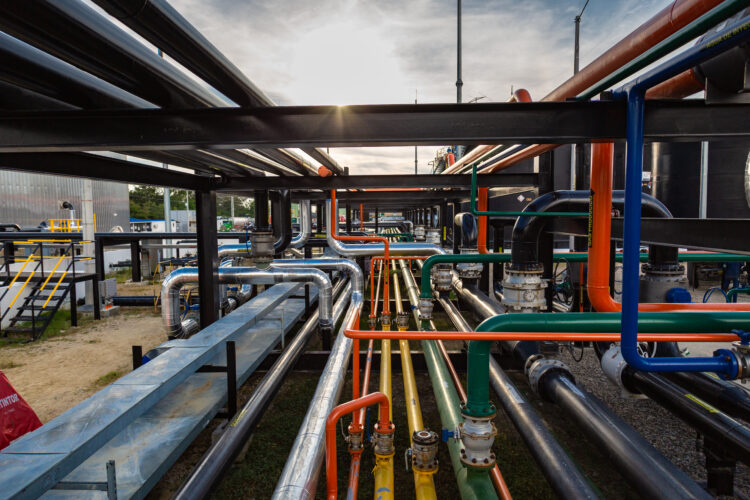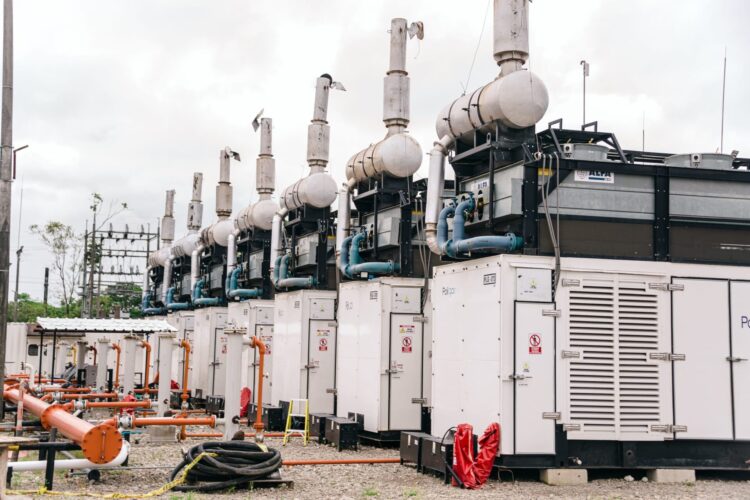
Gran Tierra Energy continues to advance its emissions reduction strategy across all areas of its operations in Canada, Colombia and Ecuador. As part of its commitment to operational integrity and environmental responsibility, GTE conducted a fugitive emissions survey in Colombia in 2024, identifying and repairing several small leaks. In Ecuador, the Company designed its infrastructure early on to meet the highest environmental and operational standards. Across our South America operations, GTE deployed a Tunable Diode Laser Absorption Spectroscopy (TDLAS) technology to measure emissions in real-time, while advanced detection technologies in Canada help monitor and reduce fugitive emissions across its assets.
These regionally tailored initiatives for each country are part of GTE’s broader effort to integrate low-emission technologies wherever possible, as well as proactive maintenance practices across its asset base. The Company is replacing high-bleed pneumatic devices with solar-powered alternatives, optimizing infrastructure to reduce venting, and expanding the use of aerial and ground-based methane detection systems. Together these actions support GTE’s commitment to continuous environmental performance improvement and long-term sustainability of its operations.
Methane Reduction
Gran Tierra Energy is committed to reducing methane emissions across its operations by leveraging advanced technologies, improved monitoring systems, and infrastructure upgrades. The Company has implemented a variety of initiatives, including Leak Detection and Repair (LDAR) programs, third-party verified monitoring, and equipment electrification to reduce fugitive emissions. These initiatives are tailored to the regulatory context and operational realities of each country in which GTE operates.
The following sections highlight GTE’s methane reduction actions in Canada, and South America:
Canada
Gran Tierra continues to work diligently to monitor and manage fugitive emissions across its Canadian operations, while actively reviewing and implementing technologies to further reduce emissions. In Western Canada, GTE used aircraft-mounted Light Detection and Ranging (LiDar) systems and replaced gas pumps with solar-powered pumps across 255 sites to modernize field infrastructure and support more sustainable, lower-emission operations. Recent reviews of pneumatic equipment and vent sources have improved emissions inventory accuracy and strengthened the reliability of the Company’s emissions reporting. These upgrades, along with site electrification and equipment replacement, have cut fugitive emissions by over 50% from 2023 to 2024 and reduced total emissions by approximately 17,000 tCO₂e annually.
South America
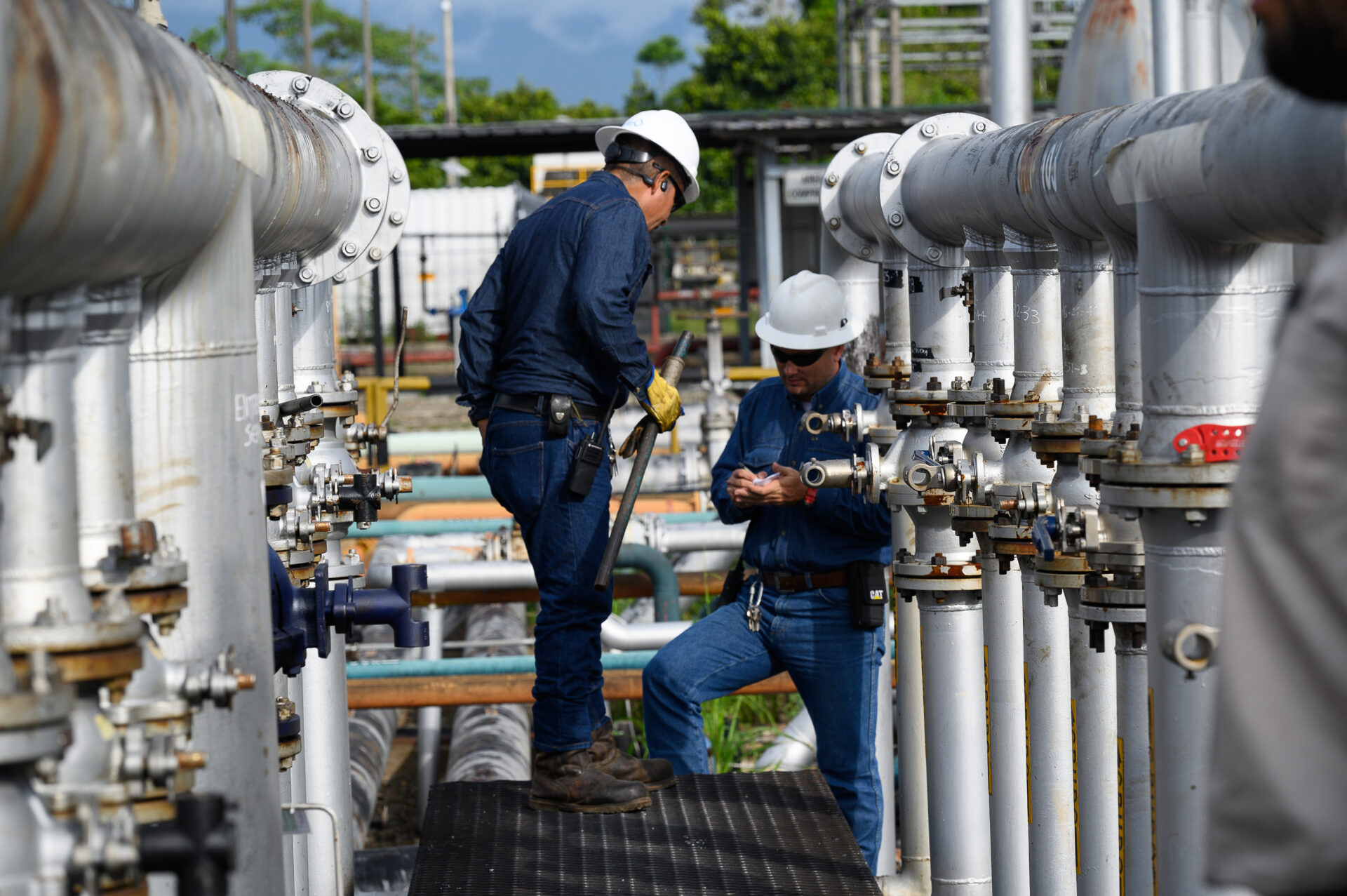
GTE implements a government-approved LDAR program, using third-party Optical Gas Imaging (OGI) camera inspections to identify and repair leaks. In 2024, a full fugitive emissions survey further supported these efforts. Generation equipment is strictly monitored for gas quality compatibility, reducing emissions through efficient fuel use. From 2019 to 2024, methane emissions in Colombia have dropped by 37%, from 5,971 to 3,762 tons.
In 2025, Gran Tierra’s South American operations deployed a Tunable Diode Laser Absorption Spectroscopy (TDLAS) sensor, which uses laser light to quickly and accurately detect and measure specific gases in real time, helping GTE monitor emissions, safety and process performance. Combining the high-resolution imaging and AI analysis across 90% of our fields in Colombia and 100% of our fields in Ecuador, GTE was able to identify and remediate methane emission sources more efficiently across its operations. This campaign contributed to a 27% reduction in fugitive emissions compared to 2024 by enabling more precise detection and more efficient identification and localization of methane leaks.